No evidence links Indian officials in US probe into Hardeep Singh Nijjar killing: Canada
The clarification came as authorities in the US unsealed three federal indictments charging 37 defendants linked to transnational criminal organisations
The latest developments in the Hardeep Singh Nijjar murder case may not answer every question, but they fundamentally alter the debate.




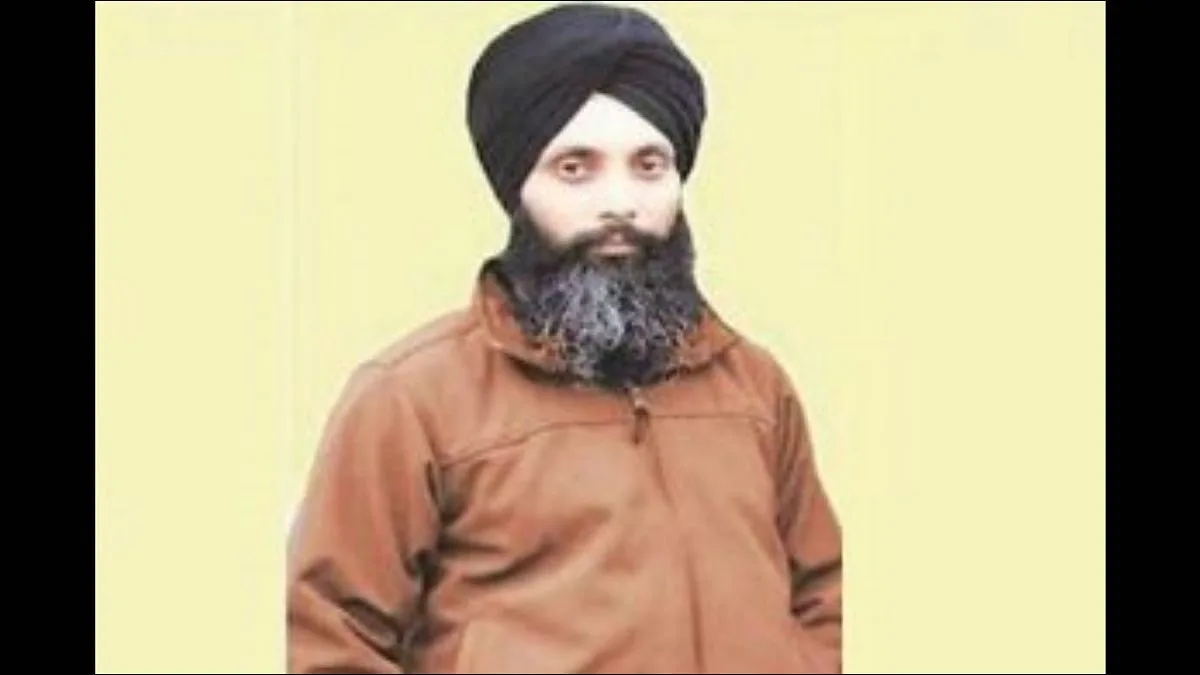
Hardeep Singh Nijjar
The latest developments in the Hardeep Singh Nijjar murder case may not answer every question, but they fundamentally alter the debate. For nearly three years, the international conversation has been dominated by allegations of Indian state involvement, diplomatic recriminations and political rhetoric. The criminal case now unveiled by US prosecutors shifts the focus to something far more concrete: a detailed indictment alleging that the assassination was orchestrated by the Lawrence Bishnoi crime syndicate, one of India’s most notorious transnational criminal networks.
This distinction matters. Criminal indictments are not political speeches. They are legal documents that prosecutors are expected to defend in court. The decision to identify Bishnoi and Goldy Brar as the alleged masterminds represents a significant evidentiary development, not merely another diplomatic statement. It redirects attention from speculation to prosecutable allegations against identifiable individuals. Equally important is what the indictment does not say. It does not accuse the Government of India or any Indian intelligence agency of directing the killing. That omission should neither be exaggerated nor ignored. It does not amount to a judicial declaration of innocence for anyone outside the gang, but it does weaken the certainty with which some political narratives had been advanced.
Advertisement
If governments and commentators were prepared to draw sweeping conclusions on the basis of intelligence assessments in 2023, they must now show equal willingness to reassess those conclusions in light of fresh prosecutorial evidence. This is not a vindication of every claim made by New Delhi, nor is it an indictment of every statement made by Ottawa. It is, however, a reminder that diplomacy often races ahead of criminal investigation. Political leaders speak to immediate crises; investigators work to meet the far higher standard demanded by the law. The two should not be conflated. The episode also underlines a broader reality confronting democratic states. Organised crime has evolved into a transnational enterprise capable of operating across jurisdictions, exploiting diasporas, laundering money and carrying out targeted violence far beyond national borders.
Advertisement
Whether in North America, Europe or South Asia, dismantling such networks requires close cooperation among law enforcement agencies rather than public exchanges of accusation and denial. The Nijjar case is therefore entering a new phase. The central question is no longer merely who benefited politically from competing narratives, but whether the criminal justice process can establish responsibility through admissible evidence. That process may yet reveal additional facts, or it may confirm the present allegations.
Until then, governments, media and public opinion alike would do well to resist certainty unsupported by proof. The lesson extends beyond one killing. Democracies strengthen themselves when they allow evidence to shape policy rather than expecting policy to dictate the evidence. The latest indictment does not close the Nijjar chapter. It does, however, mark the point at which the conversation should become less about competing political claims and more about what the courts can ultimately establish.
Advertisement